
Deprecated: Non-canonical cast (double) is deprecated, use the (float) cast instead in /home/antiques/domains/southafricanantiques.co.za/public_html/wp-content/plugins/easy-table-of-contents/includes/vendor/ultimate-web-scraper/tag_filter.php on line 2922
Deprecated: Non-canonical cast (double) is deprecated, use the (float) cast instead in /home/antiques/domains/southafricanantiques.co.za/public_html/wp-content/plugins/easy-table-of-contents/includes/vendor/ultimate-web-scraper/tag_filter.php on line 2926
Deprecated: Non-canonical cast (double) is deprecated, use the (float) cast instead in /home/antiques/domains/southafricanantiques.co.za/public_html/wp-content/plugins/easy-table-of-contents/includes/vendor/ultimate-web-scraper/tag_filter.php on line 2927
Most Valuable Antiques Categories in South Africa
South Africa boasts a rich heritage of antiques reflecting its diverse history and cultures. Collectors value items such as Union and South African gold coins (1892–1961), Cape Dutch furniture from the 18th and 19th centuries, Boer War memorabilia, early South African paintings, Africana books and maps, and traditional Zulu and Xhosa artifacts.
Apartheid-era protest art and posters are particularly significant for their cultural and political impact. Additionally, rare vintage South African wines produced before 1950, and historic diamond and gold rush artifacts from Kimberley and Pilgrim’s Rest, attract collectors worldwide. Proper authentication and provenance greatly influence the value of these treasured antiques.
1. ZAR and Union Gold Coins (1892–1961)
- 1892 Kruger Double Shaft 1 Pond
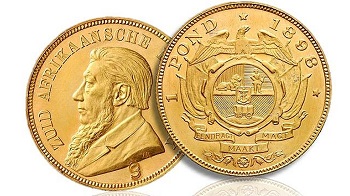
- 1898 Single 9 Kruger Pond (only one known to exist – South Africa’s rarest coin)
- 1902 Veld Pond (minted during the Boer War – highly scarce)
- Value: R100,000 to R20 million+ depending on rarity and condition
2. Cape Dutch Furniture (18th–19th century)
- Examples: Yellowwood & stinkwood armoires, riempie benches, four-poster beds
- Characteristics: Handcrafted with detailed carving and brass inlays
- Value: R20,000 to R500,000+ per piece depending on provenance
3. Boer War Memorabilia (1899–1902)
- Includes: Field gear, medals, rifles, documents, war diaries
- Rare items: Original Mauser rifles, Siege of Mafeking stamps, medals with named recipients
- Value: R2,000 to R200,000+
4. Early South African Paintings
- Notable artists: Irma Stern, J.H. Pierneef, Maggie Laubser, Gerard Sekoto
- Stern’s works: Often fetch over R10 million at auction
- Value range: R20,000 to R30 million+
5. Africana Books and Maps
- Rare first editions, early explorer journals (Livingstone, Burchell), and 17th–19th-century maps
- Examples: “Theal’s History of South Africa”, Burchell’s “Travels in the Interior”
- Value: R5,000 to R500,000+
6. Zulu and Xhosa Traditional Artifacts
- Beadwork, shields, weapons (knobkerries, assegais), ceremonial items
- Rare 19th-century or pre-colonial pieces fetch a premium
- Value: R3,000 to R100,000+
7. Diamond and Gold Rush Items (Kimberley & Pilgrim’s Rest)
- Early mining tools, original claims documents, photographs, nugget samples
- Value: R10,000 to R250,000+
8. Vintage South African Wines (Pre-1950)
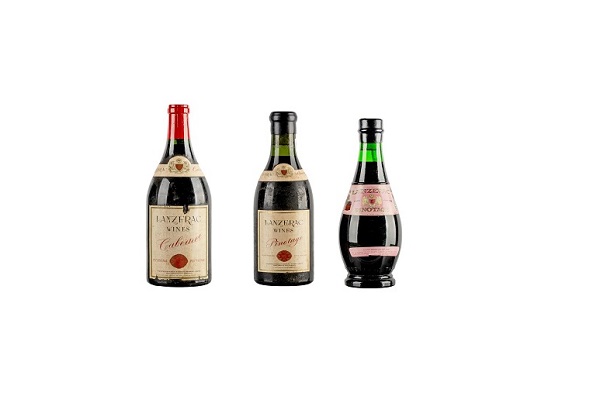
- Rare bottles from KWV, Rustenberg, or early Constantia estates
- Especially high value for intact original bottles in sealed condition
- Value: R5,000 to R200,000+ per bottle
9. South African Art Pottery (1930–1960)
- Examples: Lidchi, Linnware, Olifantsfontein
- Highly collectible, especially rare colours and limited editions
- Value: R1,000 to R30,000+ per piece
10. Apartheid-Era Protest Art and Posters
- Original protest posters, banned books, struggle memorabilia
- Increasing value as historical artifacts
- Value: R2,000 to R150,000+
Breakdown of the 10 Most Valuable Antique Items in South Africa
- Condition and provenance are critical for value.
- Certificates, documentation, and expert appraisals raise the worth.
- Items connected to major historical events or figures often sell for much more.
ZAR Gold Coins (1892–1902)
Issued by the Zuid-Afrikaansche Republiek under President Paul Kruger.
Key Gold Coins
| Coin | Year | Description | Approximate Value |
|---|---|---|---|
| 1 Pond (Double Shaft) | 1892 | First issue, wagon shows two shafts | R15,000 – R250,000+ |
| 1 Pond (Single Shaft) | 1892 | Scarcer corrected version | R50,000 – R500,000+ |
| 1 Pond | 1893–1897 | Standard issues | R8,000 – R20,000+ |
| 1 Pond | 1898 | Scarcer than earlier years | R10,000 – R100,000+ |
| 1 Pond | 1899 | Wartime issue | R15,000 – R75,000+ |
| 1 Pond | 1900 | Boer War issue | R25,000 – R150,000+ |
| 2 Pond | 1892–1900 | Lower mintage; very collectible | R20,000 – R300,000+ |
| 2 Pond | 1898–1899 | Rare in uncirculated condition | R30,000 – R250,000+ |
| Veldpond | 1902 | Field-made during Anglo-Boer War | R100,000 – R800,000+ |
| “Single 9” Pond | 1899 | Only one known; SA’s rarest coin | Over R20 million |
Union of South Africa Gold Coins (1923–1932)
Minted in Pretoria under British monarchy rule. These coins followed the sovereign and half-sovereign standards.
Sovereigns and Half Sovereigns
| Coin | Year | Description | Approximate Value |
|---|---|---|---|
| Sovereign | 1923 | First Union-minted gold coin | R8,000 – R100,000+ |
| Sovereign | 1924–1932 | Regular issues with “SA” mintmark | R7,000 – R50,000+ |
| Half Sovereign | 1923–1932 | Scarcer and more valuable | R10,000 – R80,000+ |
| Sovereign | 1931–1932 | Last gold coins before decimalisation | R10,000 – R40,000+ |
Specifications
- Metal: 22-karat gold (91.67% purity)
- Weight:
- Sovereign / 1 Pond: 7.99 grams
- 2 Pond: 15.98 grams
- Half Sovereign: 3.99 grams
- Diameter:
- Sovereign: ~22 mm
- 2 Pond: ~28 mm
- Obverse Designs:
- ZAR coins: President Paul Kruger
- Union coins: King George V (with crown)
Notes for Collectors
- Condition significantly affects value: uncirculated coins fetch much higher prices.
- Authentication: Get coins graded by reputable companies like NGC or PCGS.
- Fake coins exist — particularly Veldponds and Kruger Ponds — so be cautious.
Here is an overview of Cape Dutch furniture from the 18th to 19th centuries, which represents some of the most valuable and iconic antique furniture in South Africa. These pieces reflect a blend of Dutch, German, French Huguenot, and indigenous Cape influences.
Overview: Cape Dutch Furniture (1700s–1800s)

10 Most Valuable Antique Categories in South Africa
Characteristics
- Made primarily by skilled craftsmen in the Cape Colony.
- Typically constructed from stinkwood, yellowwood, wild olive, and teak.
- Style includes symmetry, hand carving, turned legs, brass fittings, and panelled doors.
- Functional yet elegant, often designed for farmhouses, homesteads, and townhouses.
Most Valuable Cape Dutch Furniture Types
| Furniture Type | Description | Estimated Value (R) |
|---|---|---|
| Stinkwood Armoire (Kas) | Large two-door wardrobe with carving and brass fittings | R100,000 – R500,000+ |
| Yellowwood Riempie Bench | Slatted bench with leather riempies and turned legs | R20,000 – R80,000+ |
| Four-Poster Bed | Handcrafted from yellowwood/stinkwood; often richly carved | R50,000 – R250,000+ |
| Dining Table (refectory style) | Long tables, sometimes with breadboard ends | R30,000 – R150,000+ |
| Cape Corner Cupboard | Made to fit into corners, with glass-paneled doors | R25,000 – R120,000+ |
| Sideboards / Buffets | Used for serving and storage; sometimes inlayed | R20,000 – R100,000+ |
| Chairs (Set of 6 or 8) | Riempie seats or solid plank; often with curved backs | R10,000 – R60,000+ |
| Writing Bureau (Slant Front Desk) | Fold-down writing surface with drawers | R40,000 – R200,000+ |
Identifying Authentic Cape Dutch Furniture
- Timber: True Cape Dutch pieces are made of local hardwoods like stinkwood, yellowwood, or wild olive.
- Construction: Joinery is typically done without nails. Look for dovetail joints and wooden pegs.
- Carvings: Simple yet elegant, often floral or geometric in design.
- Finish: Original patina and waxed finishes (not varnished) increase value.
- Provenance: Items from known homesteads or with documented history carry more value.
Current Market & Investment Value
Cape Dutch furniture remains highly collectible, particularly among:
- Heritage home restorers
- South African history enthusiasts
- International antique dealers
Prices have risen due to scarcity and growing interest in preserving Africana heritage.
Here is a detailed overview of Boer War memorabilia (1899–1902), including the most valuable and collectible items from this historic conflict:
Boer War Memorabilia (Second Anglo-Boer War: 1899–1902)
Historical Context
The Second Anglo-Boer War was fought between the British Empire and the two Boer Republics:
- The South African Republic (ZAR)
- The Orange Free State
It left behind a vast range of artifacts, many of which are now highly sought-after by collectors of military, Africana, and colonial history.

Most Valuable Boer War Memorabilia
| Category | Description | Estimated Value Range (ZAR) |
|---|---|---|
| Medals | Queen’s South Africa Medal (QSA), King’s South Africa Medal (KSA), and Boer-issued medals | R5,000 – R100,000+ |
| Mauser Rifles | Boer-issue 7mm Mauser rifles; rare examples include engraved or named pieces | R25,000 – R200,000+ (with provenance) |
| British Equipment | British-issue Lee-Enfield rifles, bayonets, or marked gear | R10,000 – R60,000+ |
| Boer War Letters / Diaries | First-hand accounts from soldiers or commanders | R5,000 – R50,000+ depending on content and author |
| Uniforms / Field Gear | Original Boer or British uniforms, bandoliers, and pouches | R10,000 – R80,000+ |
| Heliographs / Signal Equipment | Used for battlefield communication; highly collectible | R20,000 – R100,000+ |
| Kommando Badges / Insignia | Rare and hard to find; especially ZAR items | R15,000 – R70,000+ |
| Boer War POW Art | Artworks or crafts made by prisoners (especially from St. Helena or Bermuda) | R8,000 – R60,000+ |
| Photographs / Stereographs | Period images, especially those showing named individuals or battle scenes | R2,000 – R25,000+ |
| Boer War Postcards / Covers | Postal history items with censor marks, field postmarks, or siege towns | R1,000 – R20,000+ |
Key Collectible Medals
| Medal | Description | Value Notes |
|---|---|---|
| QSA (Queen’s South Africa) | Issued for service before end of 1901; clasps indicate battles | Value increases with rare clasp combinations |
| KSA (King’s South Africa) | Issued to those serving past Jan 1, 1902 | Rare and usually issued with QSA |
| Dekoratie voor Trouwe Dienst (DTD) | Boer gallantry award (very rare) | R50,000 – R150,000+ |
| Anglo-Boer War Commemorative Medals (1920s–30s) | Issued by veteran groups or the Union government | R5,000 – R20,000+ |
Factors That Affect Value
- Condition (rust, fading, wear)
- Provenance (named to known individuals, units, or events)
- Rarity (unique items from sieges like Mafeking or Ladysmith)
- Completeness (sets with paperwork, medals with clasps, etc.)
Where to Find / Sell
- Auction houses like Stephan Welz, Strauss & Co., or Dix Noonan Webb
- Boer War and militaria collectors’ fairs
- Private collectors (especially in South Africa, UK, and Australia)
- Museums and archives for authentication or donation
Here is an overview of early South African paintings, focusing on the most significant artists, schools, and collectible works from the 18th to early 20th century:
Early South African Paintings (18th–Early 20th Century)
1. VOC & Colonial Period (1700s–early 1800s)

Key Characteristics
- Documentation of the Cape Colony by European travelers and settlers.
- Often topographical, botanical, or ethnographic in nature.
- Materials: watercolours, ink, oils on paper or canvas.
Notable Artists
| Artist | Notability | Type of Work |
|---|---|---|
| Robert Gordon (1743–1795) | Dutch officer, explorer | Topographical sketches and native scenes |
| Johannes Schumacher | VOC botanical artist | Scientific illustrations (late 1700s) |
| Lady Anne Barnard (1750–1825) | English noblewoman | Cape Town landscapes, social life scenes |
| Samuel Daniell (1775–1811) | British painter | Wildlife and indigenous portraits |
2. 19th Century – Romantic & Realist Traditions
Key Characteristics
- Introduction of oil painting as dominant medium.
- More artistic exploration beyond documentation.
- Depictions of African landscapes, wildlife, and rural life.
Notable Artists
| Artist | Style | Notes |
|---|---|---|
| Thomas Baines (1820–1875) | Realism | Explorer-painter; vivid African scenes |
| Frederick I’Ons (1802–1887) | Romanticism | Xhosa portraits, Eastern Cape life |
| George French Angas (1822–1886) | Ethnographic | Detailed portrayals of Zulu and Khoi peoples |
| Frans Oerder (1867–1944) | Impressionist / Symbolist | Still lifes, landscapes; later major influence |
| J.H. Pierneef (1886–1957)** | Early work fits late period | Pioneered stylized SA landscapes |
3. Collectability and Value
| Artist / Work Type | Estimated Value Range (ZAR) |
|---|---|
| Original 18th-century sketches (e.g. Gordon, Schumacher) | R100,000 – R1 million+ |
| 19th-century oil paintings (e.g. Baines, I’Ons) | R200,000 – R2 million+ |
| Early wildlife or ethnographic watercolours | R30,000 – R500,000 |
| Rare signed prints (if authenticated) | R10,000 – R100,000+ |
| Provenance-related works (e.g. linked to explorers, royalty) | Significantly higher |
Where to See or Buy
- Iziko South African National Gallery (Cape Town)
- Johannesburg Art Gallery
- Strauss & Co. Auctions (SA’s top art auctioneer)
- Bonhams (London) – international sales
- SA Mint Museum / National Archives (for documentation)
Tips for Collectors
- Provenance is critical—letters, signatures, or exhibition records add immense value.
- Condition—professional restoration can preserve value, but excessive restoration may reduce authenticity.
- Authenticity—many early prints and works have reproductions; certification is vital.
Here’s a comprehensive overview of Africana books and maps, focusing on rare, collectible items from South African history, especially from the 17th to early 20th centuries:
Africana Books and Maps (Collectible & Historic Works)
1. What Is “Africana”?
Africana refers to:
- Books, maps, documents, and manuscripts related to African—especially Southern African—history, culture, exploration, and colonization.
- Created by European explorers, missionaries, colonial administrators, or settlers, as well as early African authors.
- Highly collectible for their rarity, historical insight, and illustrative content.

2. Most Valuable Africana Books
| Title / Author | Description | Value Estimate (ZAR) |
|---|---|---|
| “The Present State of the Cape of Good Hope” – Peter Kolben (1719) | Early German account of the Cape | R150,000 – R500,000 |
| “Travels into the Interior of Africa” – Mungo Park (1799) | Key work in African exploration | R100,000 – R400,000 |
| “Narrative of an Exploratory Tour” – David Livingstone (1857) | First edition, early missionary work | R100,000 – R300,000 |
| “South African Sketches” – Thomas Baines | Illustrated travel account | R150,000 – R600,000 |
| “A Narrative of the Irruption of the Kaffir Hordes” – Godlonton (1850s) | Early Xhosa war account | R60,000 – R180,000 |
| Books by Lady Anne Barnard (18th c) | Firsthand Cape Colony writings | R80,000 – R200,000 |
| Boer War volumes (official British or private) | Illustrated, often leather-bound | R20,000 – R150,000+ |
Special value factors:
- First editions, limited prints, or books with hand-coloured illustrations or maps.
- Signed or annotated copies.
- Rare bindings (vellum, leather, gilt).
3. Collectible Africana Maps (1600s–1800s)
| Mapmaker | Notable Maps | Value Estimate (ZAR) |
|---|---|---|
| Johannes Blaeu (17th c) | Early Dutch map of Southern Africa | R200,000 – R1 million+ |
| Guillaume de l’Isle | French cartographer, elegant African coastlines | R80,000 – R250,000 |
| Jacques-Nicolas Bellin | Naval & scientific maps | R50,000 – R150,000 |
| Aaron Arrowsmith (1802+) | British maps of Cape Colony | R40,000 – R120,000 |
| James Wyld (1830s–60s) | Boer War era, political detail | R20,000 – R80,000 |
Special interest:
- Maps showing Zululand, Matabeleland, early goldfields, Cape trade routes.
- Fold-out maps inside books add significant value.
- Original hand-coloured copperplate engravings or lithographs are most collectible.
4. Where to Find or Authenticate
- Collectors’ Societies: Africana Society of South Africa, Brenthurst Library (Johannesburg)
- Auction Houses: Stephan Welz & Co, Strauss & Co., Antiquarian book dealers
- University Libraries: UCT Special Collections, Wits Historical Papers
- International dealers: Maggs Bros (London), Sotheby’s (Rare Books)
5. Tips for Collectors
- Condition is king: Foxing, tears, missing plates or pages drastically affect value.
- Look for plates, maps, and engravings—often more valuable than the text.
- Signed or presentation copies fetch a premium.
- Avoid modern reprints unless for reference.
- Ensure authentication and provenance.
Here’s a detailed overview of Zulu and Xhosa Traditional Artifacts, focusing on the most valuable, collectible, and culturally significant items in South African history and the antique market:
Zulu and Xhosa Traditional Artifacts (Collectible & Historic)
These artifacts represent indigenous craftsmanship, spiritual symbolism, and the rich material culture of the Nguni peoples—especially the Zulu and Xhosa—prior to and during early colonial contact.
1. Types of Valuable Artifacts
| Artifact Type | Description | Notes on Value |
|---|---|---|
| War Shields (Isihlangu) | Large oval shields made from cowhide, used in Zulu warfare | Highly prized; ceremonial or battlefield-used shields are rare |
| Knobkerries (Iwisa/Induku) | Short fighting sticks with rounded heads | Often carved with clan symbols; older, well-carved examples are valuable |
| Beaded Adornments | Necklaces, headdresses, aprons, belts | Used in marriage, courtship, and status display; fine beadwork is highly collectible |
| Headrests (Ucezu) | Wooden pillow-like objects used during sleep | Some examples date to the 19th century; prized for patina and sculptural form |
| Snuff Boxes & Horns | Carved or molded containers for powdered snuff | Reflect social rituals; horn or ivory versions command high prices |
| Ceremonial Staffs (Inhlendla) | Long carved staffs with abstract or figural designs | Often used by chiefs or elders; associated with authority |
| Xhosa Pipes (Umqhusho) | Long-stemmed tobacco pipes, often made of wood or clay | Both decorative and utilitarian; historic ones often have detailed carving |
2. Value Estimates (Auction Range)
| Artifact | Estimated Value (ZAR) |
|---|---|
| 19th-century Zulu war shield (good condition) | R80,000 – R250,000 |
| Finely carved knobkerrie (Zulu or Xhosa) | R20,000 – R80,000 |
| Beaded ceremonial apron or necklace | R15,000 – R50,000 |
| Old carved headrest (19th century) | R25,000 – R100,000 |
| Ivory or bone snuff horn | R30,000 – R120,000 |
| Xhosa clay pipe with figure motif | R10,000 – R35,000 |
| Royal regalia (chief’s staff, bracelets) | R100,000 – R400,000 (depending on provenance) |
3. Collectibility Factors
- Age: Artifacts from the 1800s or early 1900s are most valuable.
- Provenance: Items documented in early collections or acquired pre-1950s carry premium value.
- Material: Rare materials (e.g., ivory, rhino horn—now highly restricted) increase value.
- Craftsmanship: Intricate carving, beadwork, or rare stylistic motifs attract collectors.
- Condition: Original condition with visible wear from use is more valuable than restored or over-cleaned items.
4. Cultural Importance
- Zulu artifacts often emphasize warrior culture, social hierarchy, and royal symbolism (e.g., Shaka-era items).
- Xhosa artifacts reflect ritual, pastoral life, and social rites (e.g., initiation, marriage).
- Beadwork among both cultures functions as a language of identity, courtship, and status.
5. Where to See or Buy These Artifacts
- Museums: Iziko South African Museum (Cape Town), KwaZulu Cultural Museum (Ulundi), Johannesburg Art Gallery
- Auction Houses: Strauss & Co., Stephan Welz & Co., Bonhams (London, for colonial African artifacts)
- Private Dealers: Specializing in ethnographic art
- Online Platforms: Catawiki, Invaluable, or regional ethnographic galleries
6. Legal & Ethical Considerations
- Export of heritage objects may require permits (especially for ivory, rhino horn, or sacred items).
- Provenance is essential; modern reproductions are common.
- Be mindful of cultural sensitivity and repatriation issues—especially for sacred or ceremonial items.
Here’s a focused overview of Diamond and Gold Rush Items from the famous South African rushes at Kimberley (Diamond Rush, 1870s) and Pilgrim’s Rest (Gold Rush, 1870s–1880s), highlighting collectible and valuable artifacts:
Diamond and Gold Rush Items (Kimberley & Pilgrim’s Rest)
Historical Context
- Kimberley Diamond Rush (1871 onwards): Sparked the first major diamond rush, establishing Kimberley as a mining hub.
- Pilgrim’s Rest Gold Rush (1873–1880s): One of South Africa’s earliest gold rushes in the Mpumalanga region, vital precursor to Witwatersrand gold discoveries.
1. Key Collectible Items
| Item Type | Description | Typical Value Range (ZAR) |
|---|---|---|
| Mining Tools | Picks, pans, shovels, sluice boxes, and rock hammers used by prospectors | R5,000 – R50,000+ (rare engraved or personalized tools) |
| Gold & Diamond Mining Certificates | Official mining claims, share certificates, or ownership papers | R10,000 – R100,000+ depending on rarity and condition |
| Gold Nuggets & Rough Diamonds | Natural specimens from the era, often in display cases | R20,000 – R500,000+ (size and quality dependent) |
| Personal Items of Miners | Watches, jewelry, clothing remnants, letters | R5,000 – R40,000+ (provenance-driven) |
| Kimberley Big Hole Artifacts | Items excavated or salvaged from the famous mine | R15,000 – R100,000+ |
| Maps & Mining Plans | Early survey maps of claims and mining plots | R10,000 – R70,000 |
| Period Photographs & Prints | Images of mining operations, towns, and miners | R2,000 – R30,000+ |
| Mining Company Memorabilia | Signs, advertising posters, or stock certificates (De Beers, etc.) | R15,000 – R150,000+ |
2. Special Notable Items
| Item | Notes |
|---|---|
| De Beers Share Certificates (early issues) | Highly sought by collectors worldwide |
| Original Kimberley Mining Tools with Engravings | Personalized by miners or companies |
| Pilgrim’s Rest Gold Panning Dishes | Often handmade; collectors prize well-preserved examples |
| Kimberley Diamond Rush Letters & Diaries | Firsthand miner accounts; valuable for provenance |
| Gold Rush Era Mining Watches | Pocket watches engraved with mining company logos |
3. Factors Influencing Value
- Provenance: Documentation tying the item to famous mines, miners, or companies raises value.
- Condition: Rust-free, original patina preferred; restoration can affect value.
- Rarity: Unique or early-period mining tools and documents.
- Historical Importance: Items linked to major events or personalities (e.g., Cecil Rhodes, Barney Barnato).
4. Where to Find or Sell
- Museums:
- Kimberley Mine Museum
- Pilgrim’s Rest Heritage Museum
- Auction Houses:
- Strauss & Co.
- Stephan Welz & Co.
- Private Collectors & Dealers specializing in mining or Africana memorabilia
- Specialist Antique Shows and Fairs
Here’s an overview of Vintage South African Wines from before 1950, focusing on their collectible value, rarity, and historical significance:
Vintage South African Wines (Pre-1950)
1. Historical Background
- South Africa’s wine industry dates back to 1659, making it one of the oldest in the Southern Hemisphere.
- Wines produced before 1950 reflect early winemaking techniques, heritage vineyards, and notable estates like Constantia, Vergelegen, and Simonsberg.
- Pre-1950 vintages are extremely rare due to perishability and limited bottling at the time.
Most Valuable Antiques Categories in South Africa
2. Notable Wineries and Vintages
| Winery / Estate | Notable Vintages | Historical Significance |
|---|---|---|
| Groot Constantia | Vintages from late 1800s to 1940s | Famous for Constantia dessert wines, globally renowned since the 18th century |
| Vergelegen | Early 1900s vintages | Known for premium Bordeaux-style blends |
| Simonsig | Founded 1898, early vintages from 1900s | One of the first estates to produce quality sparkling wines |
| Nederburg | Established 1791, vintages before 1950 rare | Known for dessert wines and traditional reds |
| Boschendal | Early 20th-century wines | Pioneer estate in Cape winemaking |
3. Collectible Bottle Types
| Wine Type | Notes | Estimated Auction Value (ZAR) |
|---|---|---|
| Dessert Wines (Constantia, Vin de Constance) | Highly prized, sometimes well-preserved | R50,000 – R500,000+ per bottle |
| Red Bordeaux-style Blends | Early limited production bottles | R20,000 – R150,000+ |
| Early Sparkling Wines | Rare pre-1950 Méthode Cap Classique | R15,000 – R80,000+ |
| Fortified Wines (Sherry, Port style) | Longer shelf-life, more common | R10,000 – R50,000+ |
| Table Wines (Chenin Blanc, Cinsault) | Rare to find in collectible condition | R5,000 – R30,000+ |
4. Value Factors
- Condition: Bottle integrity, label legibility, cork condition, storage history.
- Provenance: Ownership history and documentation.
- Rarity: Very few bottles survive; older dessert wines and sparkling bottles command highest prices.
- Historical Importance: Connection to famous estates or landmark vintages.
5. Where to Buy or Sell
- Specialist Wine Auctions:
- Strauss & Co. Wine Auctions
- Sotheby’s Wine Sales
- Bonhams
- Private Collectors & Wine Cellars
- Wine Museums & Heritage Sites (some sales or appraisals offered)
- Reputable Wine Dealers specializing in South African vintages
6. Preservation Tips
- Store bottles horizontally in cool, dark, and humidity-controlled environments.
- Avoid temperature fluctuations.
- Professional appraisal recommended before sale or insurance.
Here is an overview of Apartheid-Era Protest Art and Posters from South Africa, emphasizing their historical importance, collectible value, and impact:
Apartheid-Era Protest Art and Posters (1948–1994)
1. Historical Context
- Art and posters produced during apartheid often served as powerful tools of resistance, protest, and social commentary.
- Artists, activists, and political groups used visual media to expose racial injustice, promote unity, and mobilize public support.
- These works include graphic posters, handbills, banners, murals, and prints.
2. Key Types of Artifacts
| Item Type | Description | Value Range (ZAR) |
|---|---|---|
| Political Posters | Mass-produced prints protesting apartheid policies | R2,000 – R50,000+ |
| Hand-printed Flyers | Used for mobilizing protests, rallies, and strikes | R1,000 – R15,000 |
| Murals and Street Art | Original works or documented photographs of murals | R10,000 – R150,000+ |
| Screen Prints | Limited edition prints by notable artists (e.g., Willie Bester, Dumile Feni) | R10,000 – R200,000+ |
| Political Cartoons | Published in newspapers and underground magazines | R5,000 – R60,000 |
| Artwork by Activists | Paintings and sculptures addressing apartheid themes | R20,000 – R300,000+ |
3. Notable Artists and Groups
- Willie Bester – Known for mixed media works combining protest and social critique.
- Dumile Feni – Expressionist works focusing on struggle and identity.
- Ezrom Legae – Powerful drawings and prints depicting social injustice.
- Affiliated Groups:
- African National Congress (ANC)
- United Democratic Front (UDF)
- South African Congress of Trade Unions (SACTU)
4. Collectibility Factors
- Originality: Hand-printed and artist-signed posters and prints fetch higher prices.
- Condition: Posters preserved without tears, stains, or fading are more valuable.
- Provenance: Documentation linking the work to significant events or protests.
- Rarity: Limited print runs or unique artworks are highly sought after.
- Cultural Impact: Pieces connected to landmark moments or movements (Sharpeville, Soweto Uprising).
5. Where to Find or Acquire
- Museums: Apartheid Museum (Johannesburg), Iziko South African National Gallery (Cape Town), Constitution Hill Art Collection.
- Auctions: Strauss & Co., Stephan Welz & Co.
- Galleries and Dealers: Specializing in South African contemporary and protest art.
- Archives: University of Witwatersrand Historical Papers, South African History Archive.
6. Ethical and Legal Considerations
- Respect cultural significance and ownership.
- Avoid unauthorized reproductions.
- Support initiatives that promote preservation and education about apartheid history.
Authentication and Value Notes for Apartheid-Era Protest Art and Posters
1. Authentication
- Provenance Documentation:
- Obtain any ownership history, exhibition records, or purchase receipts.
- Provenance linking the artwork to a specific event, artist, or organization boosts credibility and value.
- Artist Signature and Markings:
- Check for artist signatures, edition numbers, or stamps on prints/posters.
- Some artists hand-signed limited edition prints; these carry higher value.
- Material and Technique Verification:
- Confirm the printing technique (screen print, lithograph, hand-printed).
- Paper type and ink aging help verify the era authenticity.
- Stylistic and Historical Consistency:
- Compare the work’s style and themes with known works from the artist or movement.
- Posters should reflect period-appropriate printing styles and political messaging.
- Expert Appraisal:
- Seek evaluation from specialists in South African art or political memorabilia.
- Museums or university archives may assist in authentication.
- Condition Report:
- Document tears, stains, fading, or restoration efforts as these impact authenticity perception.
2. Factors Affecting Value
- Rarity:
- Limited edition or unique pieces command higher prices.
- Mass-produced flyers or posters typically have lower value unless exceptionally rare.
- Condition:
- Well-preserved pieces with minimal damage are more valuable.
- Restoration can affect value positively or negatively depending on quality.
- Cultural and Historical Significance:
- Art linked to major events (e.g., Soweto Uprising) or prominent activists/artists is more valuable.
- Pieces that played a role in mobilizing or documenting resistance carry premium value.
- Demand and Market Trends:
- Interest from collectors of political art, Africana, or South African history influences price.
- Auction results and gallery sales provide current market benchmarks.
- Authenticity and Documentation:
- Verified authentic works with provenance and expert certificates can multiply value.
- Lack of documentation may significantly reduce market value.
3. Common Pitfalls
- Forgeries and Reproductions:
- Beware of modern reprints or unauthorized copies marketed as originals.
- Verify through expert appraisal and provenance.
- Misattribution:
- Some artworks may be mistakenly attributed to famous artists; always confirm.
- Over-restoration:
- Excessive restoration may damage original integrity and reduce value.
4. Practical Tips
- Keep artworks flat and protected in acid-free sleeves or frames with UV-protective glass.
- Avoid exposure to sunlight and humidity fluctuations.
- Photograph items carefully and keep detailed records.
- Consult multiple experts if possible before major sales or acquisitions.
Here’s a clear, practical Checklist for Authenticating Apartheid-Era Protest Art and Posters, plus some suggestions on reputable appraisers and galleries specializing in South African protest art:
Checklist for Authenticating Apartheid-Era Protest Art and Posters
1. Provenance & Documentation
- Obtain any ownership history, receipts, or certificates.
- Check if the piece was part of an exhibition or collection.
- Ask for any correspondence linking the work to artists or political groups.
2. Artist Identification
- Look for signatures, initials, or edition numbers.
- Verify signatures with known examples from the artist.
- Research the artist’s style and themes for consistency.
3. Material & Printing Technique
- Identify the printing method (screen print, lithograph, hand-printed).
- Examine paper type, thickness, and aging (yellowing, texture).
- Inspect the ink’s aging and color fading consistent with age.
4. Condition Assessment
- Check for tears, creases, stains, fading, or restoration.
- Document any damage with detailed photographs.
- Evaluate how condition affects value.
5. Historical Context & Style
- Confirm the poster’s theme aligns with apartheid-era protest messages.
- Compare with authenticated pieces from the same period.
- Research the date and place of production if available.
6. Expert Consultation
- Contact museums or academic archives specializing in South African history or art.
- Get appraisals from experts familiar with political or protest art.
- Consider second opinions to avoid misattribution.
7. Legal & Ethical Verification
- Ensure the piece is not stolen or illegally obtained.
- Verify permissions for reproduction or display if relevant.
Reputable Appraisers and Galleries Specializing in South African Protest Art
Appraisers & Auction Houses
- Strauss & Co. (Johannesburg & Cape Town): Leading auction house with expertise in Africana and South African art.
- Stephan Welz & Co. (Cape Town): Renowned for fine art and historic memorabilia appraisals.
- Artlogic (Johannesburg): Specialists in contemporary and protest art appraisal and sales.
Museums & Archives (For Authentication and Research)
- Apartheid Museum (Johannesburg): Extensive collection of protest art and posters.
- Iziko South African National Gallery (Cape Town): Houses historic and contemporary South African artworks.
- University of Witwatersrand Historical Papers Archive (Johannesburg): Holds political documents and posters collections.
Galleries
- SMAC Gallery (Johannesburg, Cape Town, Stellenbosch): Promotes South African contemporary and activist art.
- Everard Read Gallery (Johannesburg, Cape Town): Features influential South African artists, including protest-era works.
- Brundyn + Gonsalves (Cape Town): Represents key South African artists with socio-political themes.
Information/Documents to Prepare for Submission
- High-quality photographs of the artwork/poster (front, back, close-ups of signatures or markings)
- Provenance details (ownership history, any receipts or certificates)
- Description of the item (size, materials, printing technique if known)
- Condition report (noting any damage, restorations, or wear)
- Any related historical context or documentation (letters, exhibition history, publications)
- Your contact information and preferred method of communication
What types of antiques are popular in South Africa?
Popular South African antiques include Union gold coins, Cape Dutch furniture, Boer War memorabilia, early paintings, Africana books, traditional Zulu and Xhosa artifacts, and apartheid-era protest art.
How can I authenticate South African antiques?
Authentication involves verifying provenance, examining materials and craftsmanship, checking artist signatures or markings, and consulting experts or appraisers specializing in South African antiques.
Where can I buy authentic South African antiques?
Authentic antiques can be purchased from reputable auction houses like Strauss & Co., specialized galleries, antique dealers, and verified online platforms focusing on South African heritage.
What influences the value of South African antiques?
Factors include rarity, condition, provenance, historical significance, artist or maker, and current market demand for specific types of antiques.
Are apartheid-era protest posters valuable collectibles?
Yes, apartheid-era protest posters and art are culturally significant and collectible, especially original prints connected to key historical events and artists.
What is Cape Dutch furniture and why is it valuable?
Cape Dutch furniture dates from the 18th and 19th centuries, known for its craftsmanship and historical importance, making it highly sought after by collectors.
Can I sell my South African antiques online?
Yes, many platforms and auction houses allow selling South African antiques online, but proper appraisal and authentication are recommended first.
How should I store and preserve antique South African items?
Store antiques in a cool, dry place away from direct sunlight, use protective coverings, and maintain stable temperature and humidity to prevent damage.
Are vintage South African wines considered antiques?
Yes, vintage wines produced before 1950 are collectible antiques, valued for rarity, condition, and historical significance.
How do I find expert appraisers for South African antiques?
Look for certified appraisers through auction houses, museums, galleries, or professional associations specializing in South African art and antiques.